
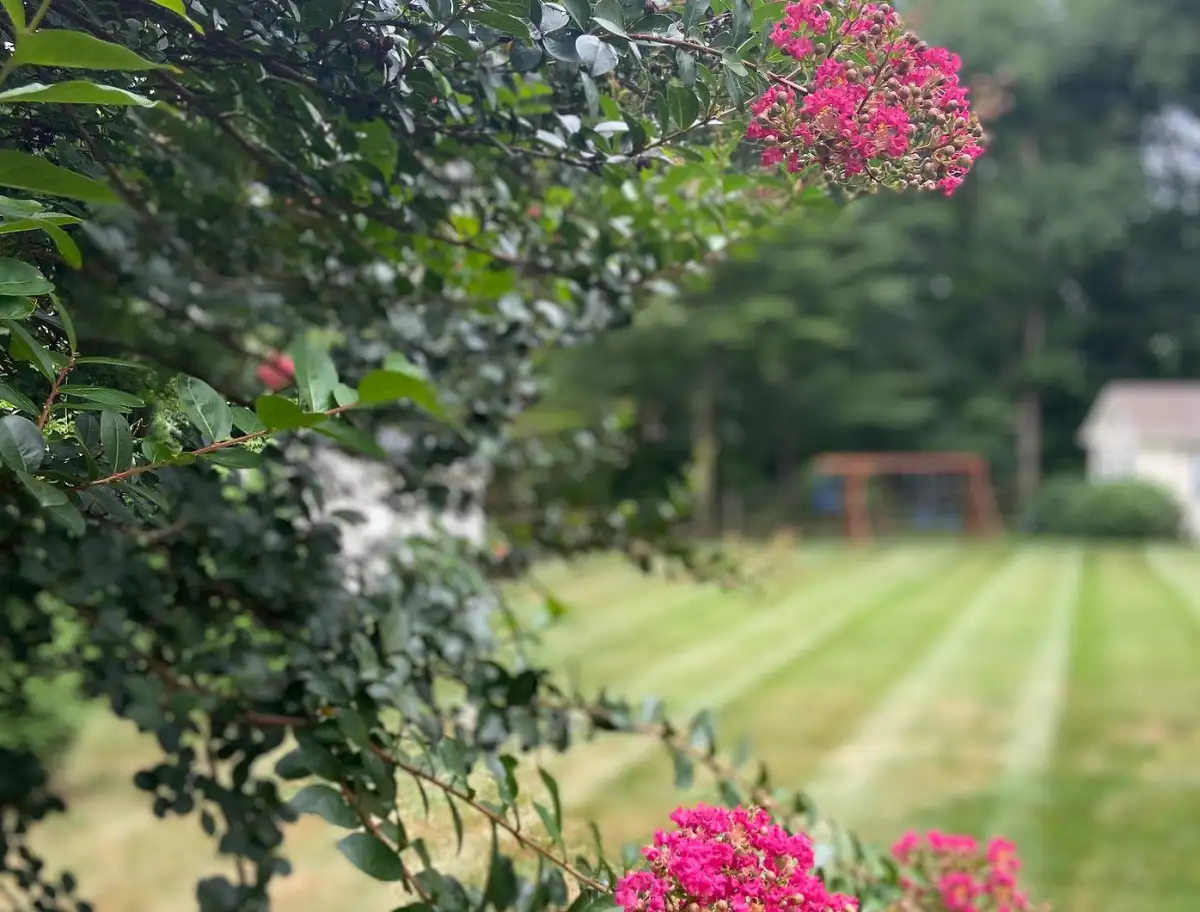
Core aeration and overseeding solve different parts of the same lawn problem. Aeration removes small plugs from existing turf to open compacted surface soil. Overseeding distributes new grass seed across thin areas. When the two are paired, the openings can improve seed-to-soil contact instead of leaving all of the seed on top of the lawn.
That does not mean every sparse patch in Cape St. Claire needs the same treatment. Shade, drainage, regular foot traffic, summer stress, and the amount of healthy turf already present all affect whether aeration and seeding is a sensible next step. The questions below will help you prepare for an informed estimate. You can also review Schofield Outdoors' full lawn aeration and overseeding service and its Cape St. Claire service area.
When should you aerate and overseed a Maryland lawn?
For cool-season lawns, the useful window generally begins as the worst summer heat eases. University of Maryland Extension recommends late summer through early fall for renovation and overseeding, generally from mid-August through mid-October. That timing gives new grass an opportunity to begin establishing before winter.
The calendar is a starting point, not the only decision. Soil moisture, current weather, lawn condition, recent treatments, and the ability to water new seed all matter. Estimates are open now so Cape St. Claire homeowners can discuss the lawn before the fall window is underway, without assuming that every property will be scheduled or treated the same way.
How can you tell whether lawn aeration fits the problem?
Aeration is commonly considered when the soil surface feels firm underfoot, water has difficulty moving into the lawn, or heavily used paths and play areas show stress. Overseeding may help where established turf has become thin but enough viable lawn remains to improve.
Some conditions point to a different or additional correction. Standing water, active erosion, extensive bare soil, heavy weed pressure, deep shade, or a drainage issue will not disappear simply because seed is spread. Mixed sun and shade, wet sections, slopes, and waterfront exposure can vary across Cape St. Claire properties, so identify each problem area rather than describing the whole yard as “thin.”
When should you wait before aerating or seeding?
Do not treat saturated ground as ready just because the date looks right. Equipment can disturb very soft soil, and seed placement will not correct the reason an area stays wet. It is also important to mention any recent pre-emergent or other lawn treatment when requesting an estimate because some products may affect seed germination.
If the lawn is under severe heat or drought stress, or you cannot provide the watering new seed needs, discuss whether waiting makes more sense. The right decision depends on actual lawn conditions and the work required—not a recurring appointment on the calendar.
What should be marked or moved before core aeration?
Aeration equipment works directly through the turf, so hidden and low-profile obstacles matter. Tell the service provider about sprinkler heads, shallow utility or drainage components, invisible pet fencing, valve boxes, low landscape lighting, drain covers, and any other item that could be difficult to see.
Also describe gates, narrow side-yard access, slopes, fenced areas, and where equipment can enter the lawn. Before service, clear hoses, toys, furniture, and loose objects from the turf. Confirm any mowing or watering instructions with the provider rather than guessing; preparation can vary with weather and lawn moisture.
Can homeowners aerate a lawn themselves?
DIY aeration is possible, but the comparison involves more than renting a machine. Homeowners need to transport and operate the equipment, identify hidden obstacles, cover the lawn consistently, and avoid working saturated or severely stressed ground. Tight gates, slopes, multiple small lawn sections, or limited equipment access can make the job more difficult.
A professional estimate can clarify the practical scope, including whether the lawn calls for core aeration, overseeding, or both. It should also account for lawn size, existing turf condition, access, obstacles, and the amount of seeding needed. Ask what is included rather than comparing a rental rate with a service price as if the work were identical.
What happens after overseeding?
New seed needs consistent care during establishment. Follow the watering and mowing guidance provided for the seed and site conditions, and limit avoidable traffic over newly seeded areas. The goal is to keep the seed from drying out without creating runoff or leaving the lawn waterlogged.
Expect the lawn to look like work has been done. Soil plugs and visible seed are normal parts of the process, and new grass does not appear immediately. Ask what you should watch for, when regular mowing can resume, and how pets, children, and routine foot traffic should be managed while seedlings are young.
What information leads to a more useful estimate?
Share your Cape St. Claire address, the approximate lawn areas you want reviewed, where the turf is thin or firm, and whether those areas are sunny, shaded, sloped, or slow to dry. Mention recent lawn treatments, irrigation or watering access, gates, sprinkler heads, pet fencing, and other hidden obstacles.
Pricing depends on the actual lawn size, access, condition, and whether the scope includes core aeration, lawn overseeding, or both. Schofield Outdoors does not publish a one-size-fits-all price for a property it has not reviewed. To discuss your lawn, request an aeration and seeding estimate or call (410) 656-3182.