
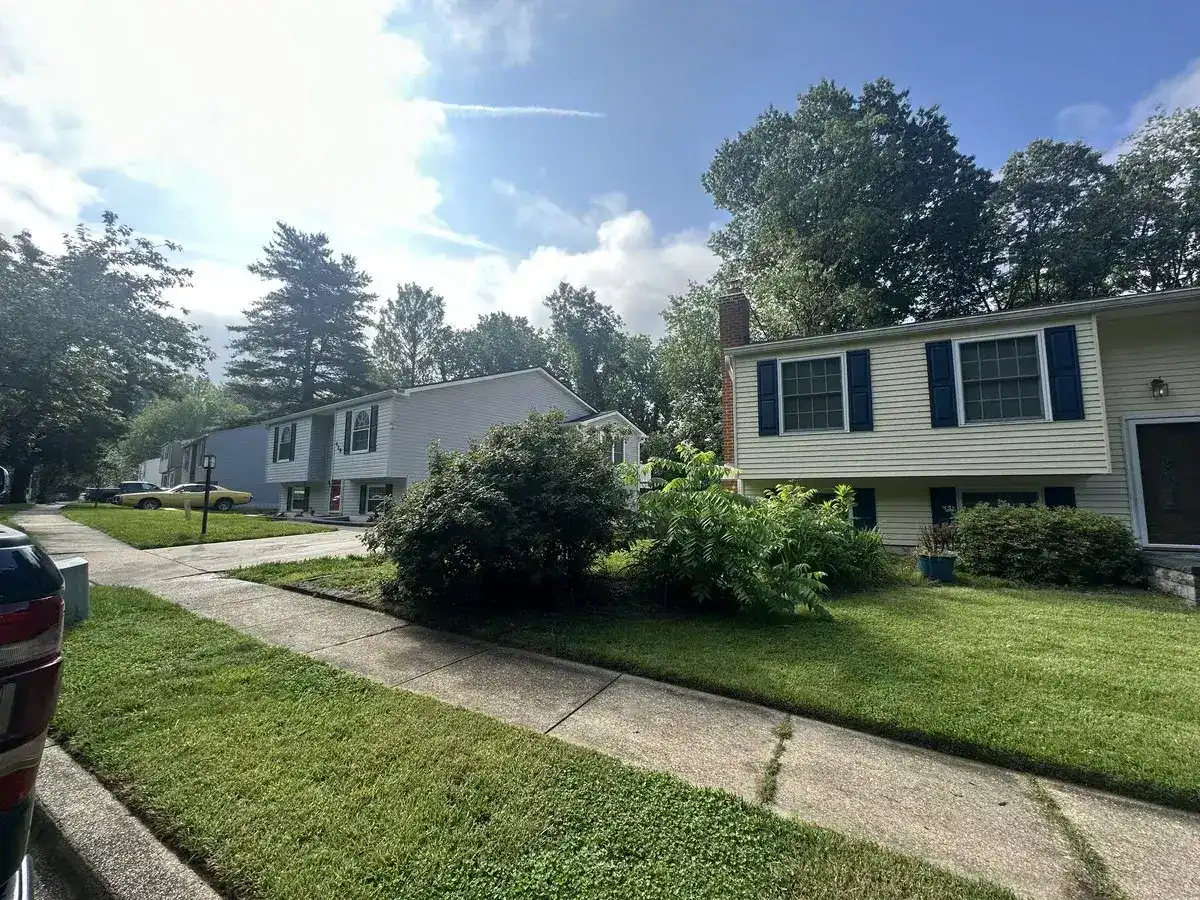
Booking lawn aeration should start with the condition of the lawn, not a one-size-fits-all package. Core aeration removes small plugs from existing turf to open compacted surface soil. Overseeding distributes new grass seed through thin areas. They are often paired, but each addresses a different part of the lawn.
That distinction matters around Cape St. Claire, where one property can have open sun, mature-tree shade, firm play areas, low spots that stay wet, waterfront exposure, or tight gates between the street and backyard. Before requesting service, use the questions below to decide what needs to be discussed. Schofield Outdoors also explains its full core aeration and lawn overseeding service and coverage for Cape St. Claire properties.
Does core aeration fit the lawn problem?
Aeration is commonly considered when the soil surface feels firm, heavily used sections are worn, or thin turf may be struggling in compacted ground. Overseeding can add grass seed across an existing lawn that has enough viable turf to improve. The goal is not simply to put seed everywhere; it is to match the work to the condition that is limiting the lawn.
Some warning signs call for a broader conversation. Standing water, active erosion, extensive bare soil, severe shade, or heavy weed pressure will not be corrected by spreading seed alone. Walk the property before asking for an estimate and note where the lawn changes. A sunny front yard and a shaded, slow-drying backyard may not need the same recommendation.
When should aeration and overseeding be scheduled in Maryland?
For Maryland cool-season lawns, University of Maryland Extension generally identifies mid-August through mid-October as the preferred period for renovation and overseeding. Late-summer and early-fall timing allows new grass to begin establishing as the most intense summer heat eases.
The calendar is only part of the decision. Soil moisture, current heat, turf stress, recent lawn treatments, and the ability to care for new seed can all affect practical timing. Saturated ground or severely stressed turf may call for a different day or plan. Fall aeration and overseeding estimates are open now so those conditions can be reviewed without promising that every lawn needs identical work or timing.
Is lawn aeration the same as dethatching?
No. Core aeration removes plugs of soil and turf to create openings in compacted surface soil. Dethatching addresses an excessive layer of accumulated organic material between the growing grass and the soil surface. The equipment, purpose, and decision behind each service are different.
A lawn can feel spongy at the surface for a different reason than another lawn feels hard underfoot. Ask what condition is actually present before assuming dethatching, aeration, or both should be included. A service recommendation should follow the lawn diagnosis rather than a generic seasonal checklist.
What should an aeration and seeding estimate include?
Confirm whether the estimate covers core aeration alone, overseeding alone, or both. Ask which turf areas are included, whether separate front and backyard sections are part of the scope, and how gates, slopes, narrow side yards, or other access limits affect the plan. Lawn size matters, but so do the number of distinct turf areas and the conditions within them.
Also ask what preparation belongs to the homeowner and what aftercare guidance comes with the service. An aeration-only quote is not directly comparable with one that includes lawn seeding. A clear scope helps you compare the actual work instead of a single number detached from the property.
What needs to be marked or moved before service?
Aeration equipment passes directly over the lawn, so mark items that may be difficult to see: sprinkler heads, invisible pet fencing, valve boxes, drain covers, shallow drainage components, and low landscape lighting. Point out any other known obstacle before work begins. Move hoses, toys, furniture, and loose objects away from the turf, and make sure gates can be opened.
Tell the provider about recent pre-emergent or other lawn treatments because some products may affect seed germination. Ask for property-specific mowing and watering instructions instead of relying on a schedule from another lawn. These details are especially important when different sections receive different amounts of sun, foot traffic, or moisture.
Can you provide the aftercare new seed needs?
Overseeding is not complete when the seed is spread. New seed needs consistent moisture without runoff or waterlogged soil, and newly seeded areas should be protected from avoidable foot traffic while young grass begins establishing. Pets, children, and regular routes through the yard may require a temporary plan.
Ask how weather may change the watering approach, when mowing should resume, and which signs should prompt a follow-up question. Once new turf is established, an appropriate lawn maintenance routine can help avoid cutting too low or putting unnecessary stress on young grass. There is no useful fixed aftercare calendar for every property, seed, and weather pattern.
What should you share when requesting an estimate?
Provide the Cape St. Claire property address, describe the lawn sections you want reviewed, and note where the turf is thin, firm, shaded, wet, or heavily used. Mention gates, slopes, sprinkler heads, pet fencing, recent treatments, and whether you can water seeded areas. Photos can help explain the request, but they do not replace a property-specific scope.
Schofield Outdoors serves Cape St. Claire and nearby Anne Arundel County communities. To discuss whether core aeration, overseeding, or both fit your lawn, request an aeration and seeding estimate or call (410) 656-3182.