
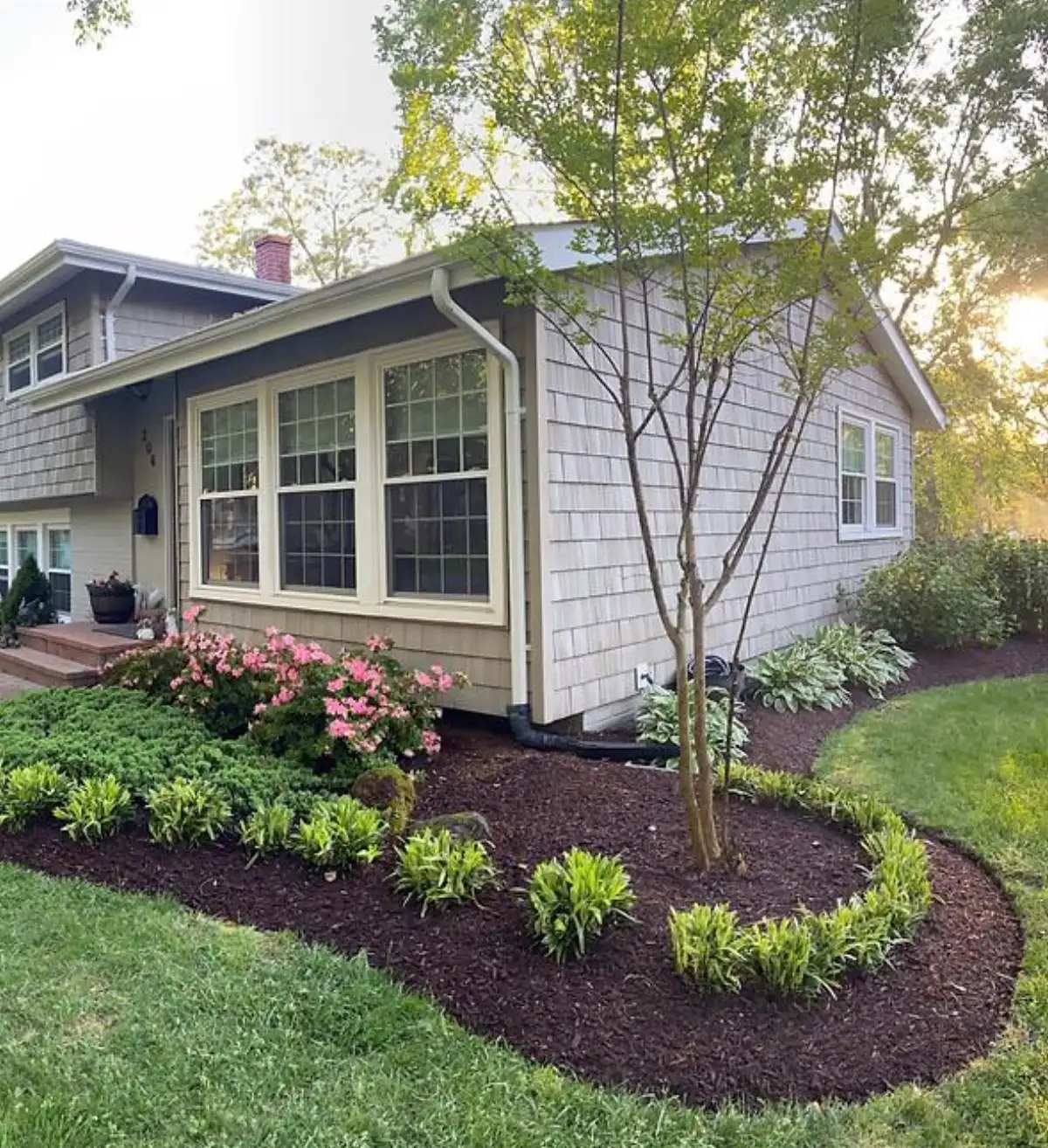
Booking lawn aeration is easier when the conversation starts with the condition of your turf, not a one-size-fits-all package. Cape St. Claire lawns can have very different growing conditions within the same property: an open front yard may dry quickly, while a shaded backyard or low area stays damp after rain.
Use the seven questions below to decide what belongs in the scope and what needs attention first. For service details, review Schofield Outdoors’ core aeration and lawn overseeding service and its coverage in Cape St. Claire, Maryland.
1. Is compaction part of the lawn’s problem?
Core aeration removes small plugs from the lawn, creating openings through compacted surface soil. It may be worth discussing where turf is thin along regular walking routes, near driveways, or in other heavily used areas. Soil that feels firm at the surface can be another clue.
Thin grass does not automatically mean compaction is the cause. Dense shade, persistent standing water, active erosion, heavy weed pressure, or a large bare area can point to a different problem. Ask which visible condition aeration is intended to improve before adding it to the estimate.
2. Does the lawn need aeration, dethatching, or both?
Aeration addresses compacted soil; dethatching removes an excessive layer of dead and living plant material between the turf and soil surface. They are different jobs. A lawn should not be dethatched simply because the grass looks thin, and routine aeration does not remove a heavy thatch layer.
Before booking, ask what signs support the recommendation. That keeps the proposed work connected to the lawn’s actual condition rather than treating two separate services as interchangeable.
3. What would overseeding add to the plan?
Overseeding distributes grass seed across an existing lawn to add new growth where turf is thin. It is commonly paired with aeration because the openings can improve contact between seed and soil. The estimate should still make clear whether it includes core aeration, overseeding, or both.
Ask which areas will be seeded and whether any section is unlikely to support new turf without another change. Heavy shade, runoff, or frequently saturated soil can limit establishment even when seed reaches the soil.
4. Is the timing right for a Maryland lawn?
University of Maryland Extension generally identifies late summer through early fall—roughly mid-August through mid-October—as the preferred period for renovating and overseeding cool-season lawns. Cooler conditions give new grass a better opportunity to begin establishing after summer stress.
Calendar dates are only part of the decision. Saturated soil, severe heat stress, a recent lawn treatment, or a household that cannot keep seed consistently moist may change the practical timing. Schofield Outdoors is accepting fall estimate requests now, without promising a date before the property and scope are reviewed.
5. Which Cape St. Claire site details affect the work?
Walk the route from the street to every lawn area. Gates, narrow side yards, steps, slopes, fences, parked vehicles, and soft ground can affect equipment access. A sunny front lawn and shaded backyard may also need different aftercare, even when both are included in one visit.
Identify anything hidden at turf level before equipment crosses the property. Mark sprinkler heads, valve boxes, invisible pet fencing, shallow drainage components, low lighting, and other obstacles. Move hoses, toys, furniture, and loose objects from the planned work area.
6. Can the household support new-seed care?
New seed needs steady moisture without runoff or waterlogged soil. Ask for watering guidance that reflects the weather, seed, soil condition, sun, and shade on your property. Plan for how you will reach each seeded area and whether watering restrictions or difficult access could interrupt care.
Foot traffic may also need to change while grass begins establishing. Consider pets, children, delivery routes, and regular paths through the yard. Ask when mowing can resume and how the first cuts should be handled. Ongoing lawn care should account for the new turf rather than immediately returning to the previous routine.
7. Does the estimate make the scope easy to compare?
A useful estimate should identify the lawn sections included, whether the work covers aeration, overseeding, or both, and what preparation falls to the homeowner. It should also account for access, slopes, obstacles, and any area that is excluded or needs a different solution.
Compare scopes rather than relying on a neighborhood price or a single total. Share where turf is thin, the ground feels firm, shade is heavy, water lingers, or traffic is concentrated. Then request an aeration and seeding estimate or call (410) 656-3182 to discuss your Cape St. Claire lawn.