
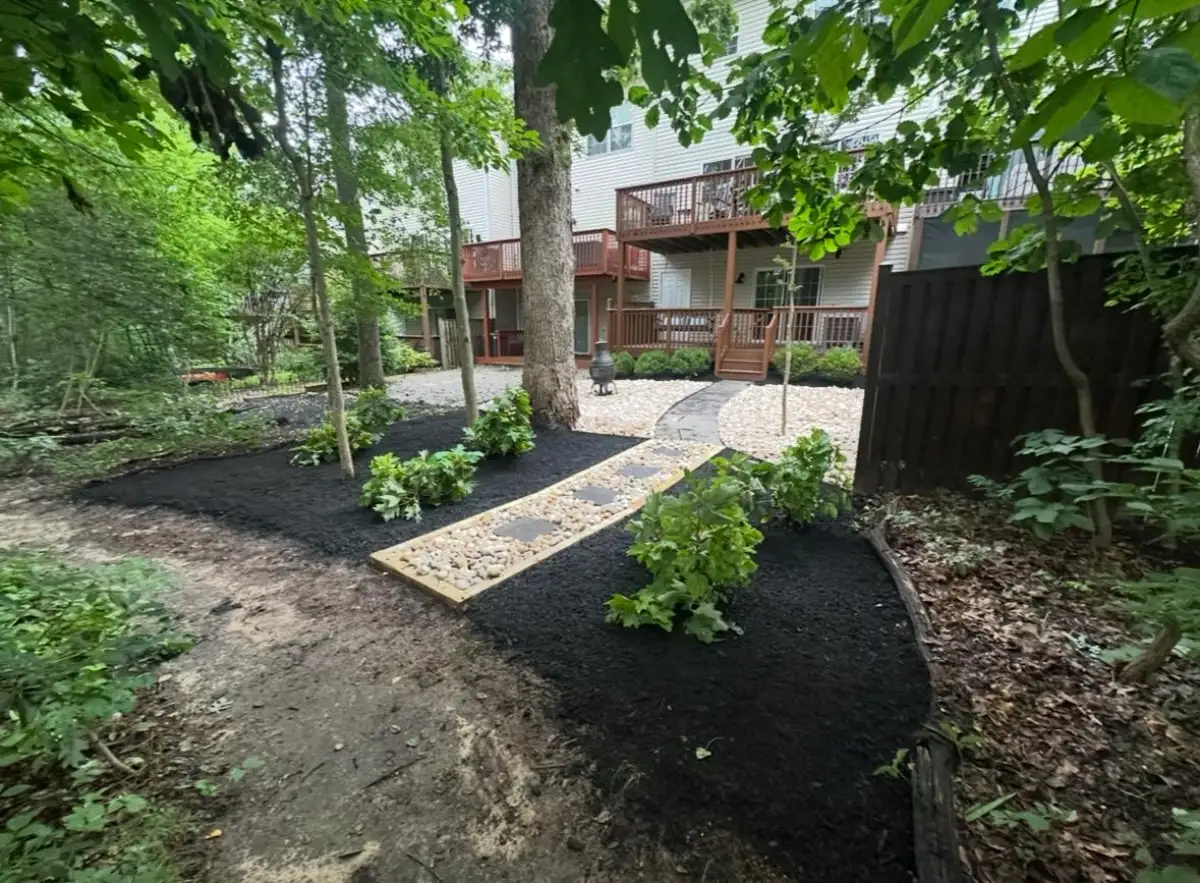
Landscaping cost in Cape St. Claire cannot be reduced to one useful average. Refreshing mulch in an established bed, installing new plants, correcting a drainage problem, and renovating a large section of the yard are different projects. Each calls for a different mix of planning, labor, materials, equipment, and follow-up.
The clearest answer comes from defining the result you want and the conditions around the work. Schofield Outdoors prepares property-specific estimates for landscaping services in Cape St. Claire and nearby Anne Arundel County communities. A written estimate should connect the price to a visible scope—not rely on a generic cost per square foot or hourly number without context.
Start by separating maintenance from landscape improvements
“Landscaping” can describe both routine care and a one-time improvement. Weekly mowing, seasonal pruning, and recurring bed care create a different schedule and cost structure from building a new garden bed or replacing an overgrown planting. Combining everything under one label makes estimates hard to compare.
For a one-time project, define the finished result: which areas change, what stays, what must be removed, and whether the work includes new plants, mulch, soil, grading, or drainage corrections. If you need help choosing a layout before installation, a separate landscape design conversation can clarify decisions before materials are ordered.
Six factors that commonly shape a landscaping estimate
1. The amount of site preparation
An open, ready-to-plant bed is different from an area with weeds, roots, old edging, compacted soil, unwanted shrubs, or debris. Removal and preparation are part of the work even though they may not remain visible when the project is finished.
2. Plant and material choices
The number, size, and type of plants affect both material and installation needs. Mulch, soil amendments, edging, stone, and sod are separate choices. Ask whether quantities and material types are identified rather than described only as “landscaping.”
3. Access to the work area
Narrow gates, fenced backyards, stairs, slopes, and long carrying distances can limit equipment and change how materials move through the property. Mention these conditions early so the estimate reflects the actual route to the work area.
4. Drainage and grading needs
Standing water, runoff across a bed, erosion, or soil sloping toward the home may need attention before decorative work. Covering a water problem with plants or mulch can leave the underlying issue in place and create replacement costs later.
5. Disposal and cleanup
Old plants, soil, brush, sod, edging, and packaging have to go somewhere. Confirm whether removal, hauling, and final cleanup are included, especially when a project starts with demolition or an overgrown area.
6. The maintenance level after installation
A dense planting plan and a simple, lower-upkeep bed do not carry the same long-term responsibilities. Plant spacing, mature size, pruning, watering, weeding, and future mulch should be part of the decision—not an afterthought once installation is complete.
How much does landscaping cost in Maryland?
There is no single Maryland price that remains accurate across routine care, planting, cleanup, grading, drainage, and complete landscape renovation. Statewide numbers also miss differences in property access, material quantities, existing conditions, and the exact work included. A realistic local estimate needs the address, project area, priorities, and current site conditions.
In Cape St. Claire, it is particularly useful to point out mature shade, slopes, narrow side access, areas that stay wet after rain, and exposure around waterfront properties when those conditions apply to your yard. They can influence plant choices, preparation, equipment access, and sequencing. They do not justify a blanket “local surcharge”; they are simply facts the contractor needs to plan the work responsibly.
Is $100 an hour too much for landscape work?
An hourly figure by itself does not show whether a proposal is fair. It may represent one person with hand tools, or a crew using equipment and transporting materials. It may include travel, setup, cleanup, hauling, or none of those. Even the same crew can complete two yards at different speeds because access and preparation vary.
Compare the outcome and the full scope: crew and equipment, material quantities, removal, disposal, installation, cleanup, and any stated follow-up. For defined projects, a written project price can be easier to evaluate than trying to infer value from an hourly rate without knowing what the hour includes.
How much does landscaping cost per week?
A weekly price usually applies to recurring maintenance, not a one-time landscape installation. The number and type of visits, lawn and bed areas, mowing, edging, pruning, weeding, leaf work, and seasonal tasks all need to be stated. Do not assume that a weekly lawn service includes planting, mulch, cleanup, or repairs unless those items appear in the agreement.
If you are comparing ongoing service, ask each company to price the same tasks and frequency. If you are planning an improvement, request a separate project estimate. Keeping those categories apart makes the budget easier to understand and prevents a low maintenance quote from being compared with a broader property-care plan.
How to compare two landscaping estimates fairly
Put the proposals side by side and check whether both include the same work. Look for:
- The exact areas included and the result expected in each one
- Removal, preparation, grading, and soil work before installation
- Plant names, sizes, counts, and material quantities where applicable
- Edging, mulch, sod, stone, or other finish materials
- Hauling, disposal, final cleanup, and access assumptions
- Watering and maintenance responsibilities after the work
If one proposal is lower, find the missing or different line item before deciding it offers better value. For example, a garden bed installation quote that includes removal and soil preparation should not be compared directly with one that begins after the bed is already cleared.
How can you control cost without undermining the project?
Prioritize the problem the landscape needs to solve. Drainage and preparation usually deserve attention before decorative additions. Then identify which areas matter most and whether the work can be phased without creating rework. A smaller, complete first phase is often easier to evaluate than thinning every material across the whole yard.
You can also choose the upkeep level deliberately. Tell the contractor how much pruning, watering, weeding, and seasonal bed care you expect to handle. That conversation can guide plant density, mature size, and where mulch installation fits the plan. Cutting essential preparation to add more visible material may reduce the initial number while increasing the chance of later corrections.
Plan around the change you want to see
Picture what should feel different when the work is complete: a cleaner front entry, more seasonal color, a shaded bed that fits its setting, easier upkeep, or a problem area corrected. Then identify what you like or dislike now, materials you want to keep, and the areas that matter most if the project needs to be phased. The address, photos, access limits, and drainage concerns provide practical context, while an on-site review may still be needed to confirm measurements and conditions.
Ready to turn a broad idea into a defined scope? Request a landscaping estimate from Schofield Outdoors or call (410) 656-3182. The more clearly you describe the result, access, and current conditions, the more useful the estimate conversation can be.