
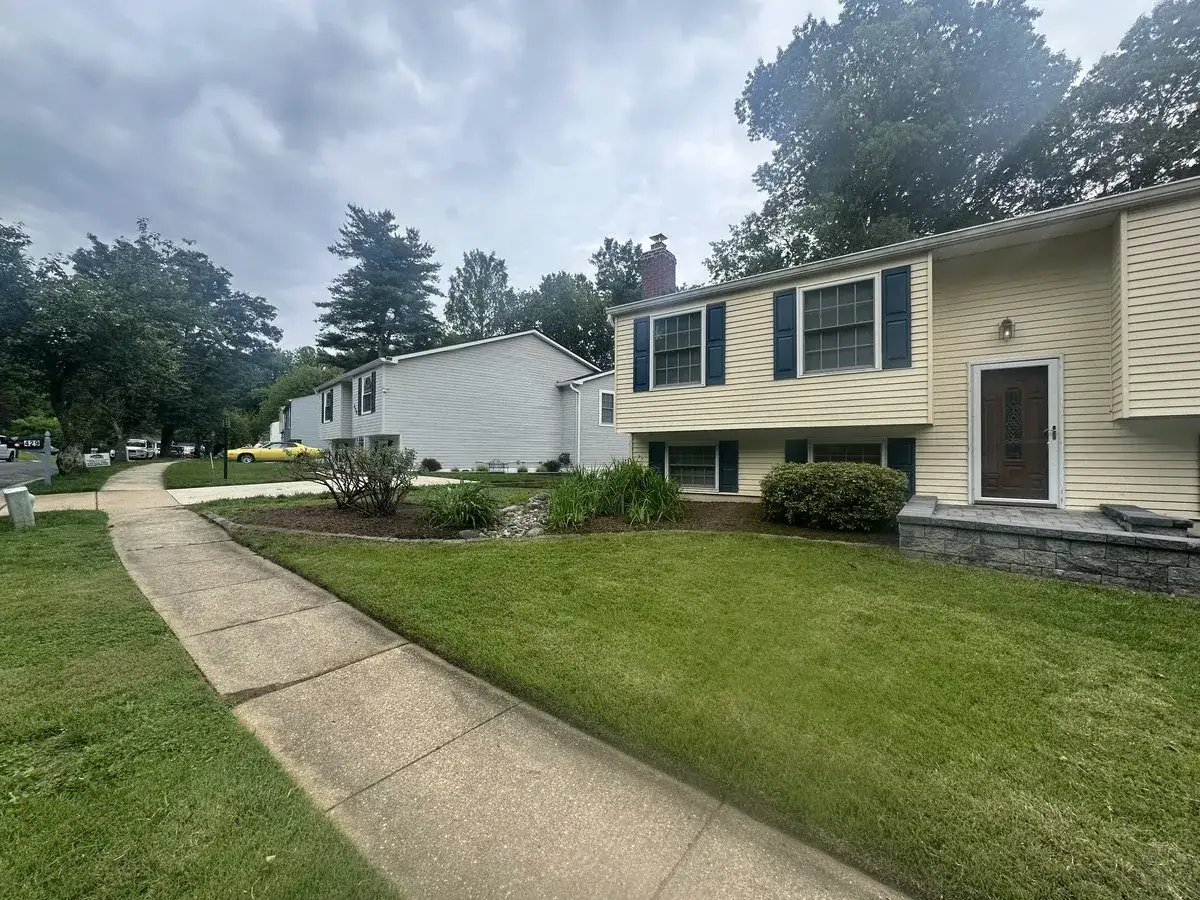
Fresh mowing lines can make a lawn look finished, but the small pieces of grass left behind often raise questions. Should every clipping be collected? Are clumps harmful? And what should be cleared from the driveway and landscape beds before a mowing visit is complete?
The answer depends on the condition of the grass and how evenly the clippings are dispersed. On Cape St. Claire properties, sun, shade, summer rain, and low areas can create different mowing conditions within the same yard. Understanding those differences makes it easier to judge the result of a visit and know when a separate cleanup is needed.
Fine clippings can disappear into the lawn
When a lawn is mowed on schedule and the grass is reasonably dry, short clippings can fall between the standing blades instead of forming a visible layer on top. They break down over time, so a neatly mowed lawn does not need to look vacuumed after every visit.
The key is even distribution. A few fine clippings throughout the turf are different from heavy rows or piles that cover the grass beneath them. Regular lawn maintenance helps keep the amount removed during each cut manageable.
Wet or overgrown grass is more likely to clump
Moist blades stick together, and taller grass creates more cut material at once. That combination can leave dense clumps behind the mower. Shaded backyards and low sections may also remain damp after sunnier parts of a Cape St. Claire property are ready to mow.
Heavy clumps should not be ignored when they mat down the turf. Depending on the conditions, they may need to be redistributed, collected, or allowed more drying time before mowing continues. If the whole property is overgrown, a one-time property cleanup or initial reset may be more appropriate than treating the visit as routine mowing.
Hard surfaces should be left clean
Grass scattered across a walkway, driveway, or patio makes an otherwise tidy cut look unfinished. Schofield Outdoors’ recurring service includes blowing clippings from hard surfaces after mowing and trimming. That final step also keeps loose material from being tracked into the house or left around outdoor seating areas.
Hard-surface cleanup is not the same as removing every clipping from the lawn. A clean visit can leave fine, evenly dispersed material in the turf while clearing the paved areas people use.
Clippings should stay out of garden beds and drains
String trimming near bed edges, trees, and fences can throw cut grass beyond the turf. Visible piles in mulched beds should be cleared so they do not cover low plants or distract from crisp landscape edges. The same attention matters around steps, curb lines, and drainage paths.
Before service, move hoses, toys, and lightweight furniture from the lawn. Fewer obstacles make it easier to mow cleanly and reduce the places where clippings can collect.
Grass clippings are different from seasonal debris
Routine mowing cleanup covers the cut grass produced during a normal visit and the loose material blown from nearby hard surfaces. It does not automatically include piles of leaves, fallen branches, storm debris, or accumulated material in garden beds.
Those larger jobs should be discussed separately. Schofield Outdoors offers fall cleanup and property cleanup for seasonal or accumulated debris that goes beyond the normal mowing routine.
When to mention clipping concerns
If one part of your lawn regularly stays wet, grows faster, or produces visible clumps, point it out before the next visit. The front and back of a property can behave differently, especially when mature trees, fencing, slopes, or drainage affect how quickly the turf dries.
Also mention newly seeded areas or thin patches that need extra care. Aeration and seeding is a separate turf-improvement service, and recently treated areas may need a different mowing approach while new grass establishes.
What a finished mowing visit should look like
- The lawn is cut evenly for the current conditions.
- Fine clippings are distributed instead of left in heavy rows.
- Dense wet-grass clumps are addressed when they cover the turf.
- Walkways, patios, and driveways are blown clean.
- Grass is not left piled across mulched beds, steps, or drainage paths.
For recurring service in the Cape St. Claire area, request a lawn maintenance quote or call Schofield Outdoors at (410) 656-3182. Describe any shaded, wet, or fast-growing sections so the conversation reflects the way your property actually behaves.