
Mature Tree Canopy
Shade can reduce turf density even when compaction is not the main problem. Note which sections receive direct sun and which remain shaded so overseeding expectations stay grounded.
Arnold Fall Lawn Care
Plan fall lawn aeration around the way your Arnold property actually behaves: firm traffic routes, thin turf beneath mature trees, slopes, soft areas, and the access available between fences and beds.
Start With the Lawn in Front of You
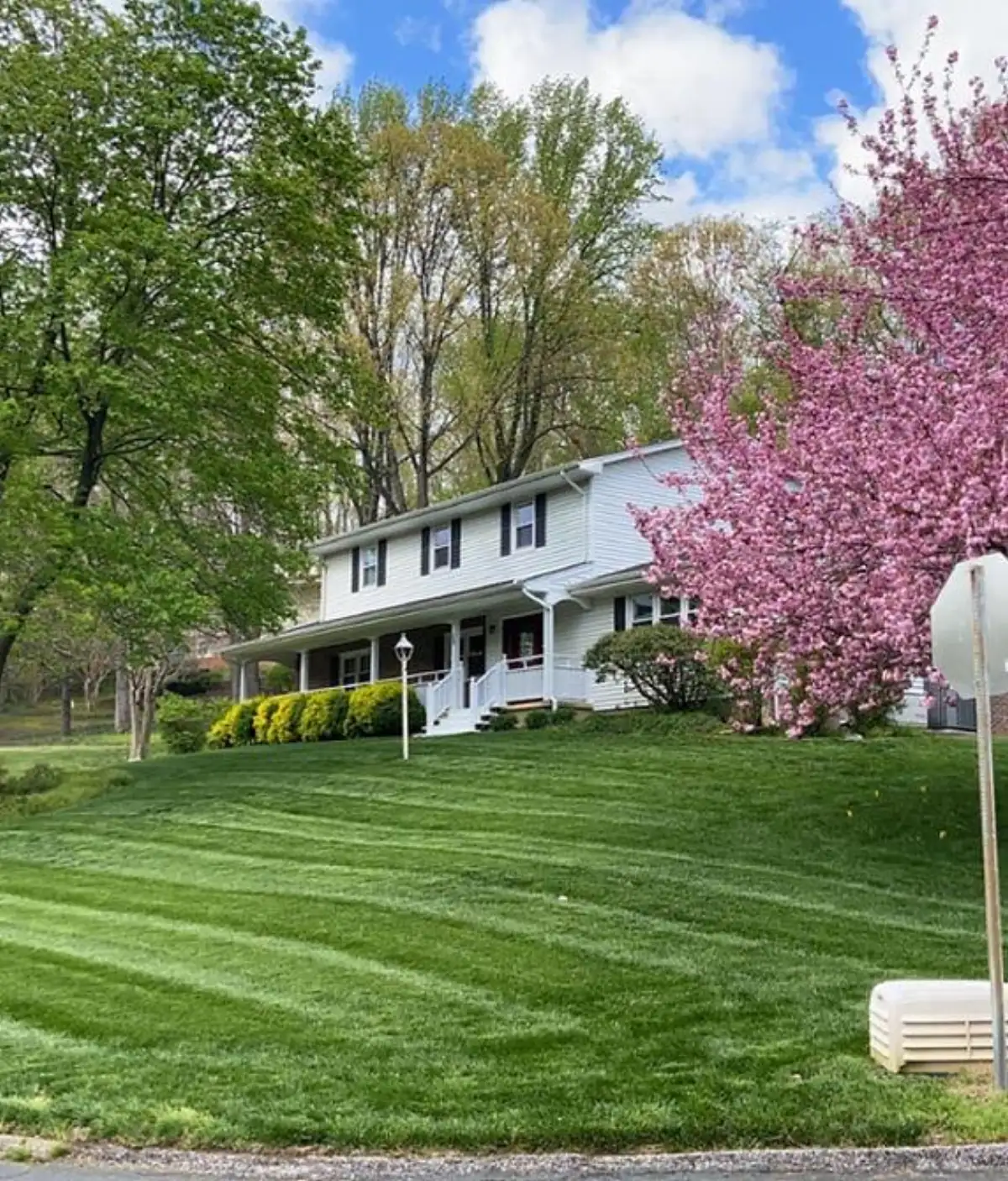
Arnold lawns often change across the same property. Open turf may stay dense while grass under mature canopy thins, and regularly used routes near gates, play areas, walkways, or pet paths can feel noticeably firmer. Homes closer to the water may also face more exposure and moisture variation than sheltered interior lots.
Core aeration and overseeding are related but separate jobs. Core aeration creates openings through compacted surface soil. Overseeding distributes new grass seed across existing turf. Pairing them can improve seed-to-soil contact, but the site still needs enough light, suitable drainage, and realistic aftercare for seedlings to establish.
That is why the estimate should identify the sections worth treating instead of assuming every square foot needs the same plan.
Property-Specific Planning
Local context matters most when it changes what can be treated, where seed can establish, or how the equipment reaches the lawn.
Shade can reduce turf density even when compaction is not the main problem. Note which sections receive direct sun and which remain shaded so overseeding expectations stay grounded.
A low area that stays soft after rain calls for a different conversation than a dry, compacted path. Standing water, erosion, and steep grades should be identified before a machine crosses the lawn.
Fence openings, sprinkler heads, shallow wiring, pet containment, drainage components, and tight bed edges can affect access. Sharing those details early helps define a workable estimate.
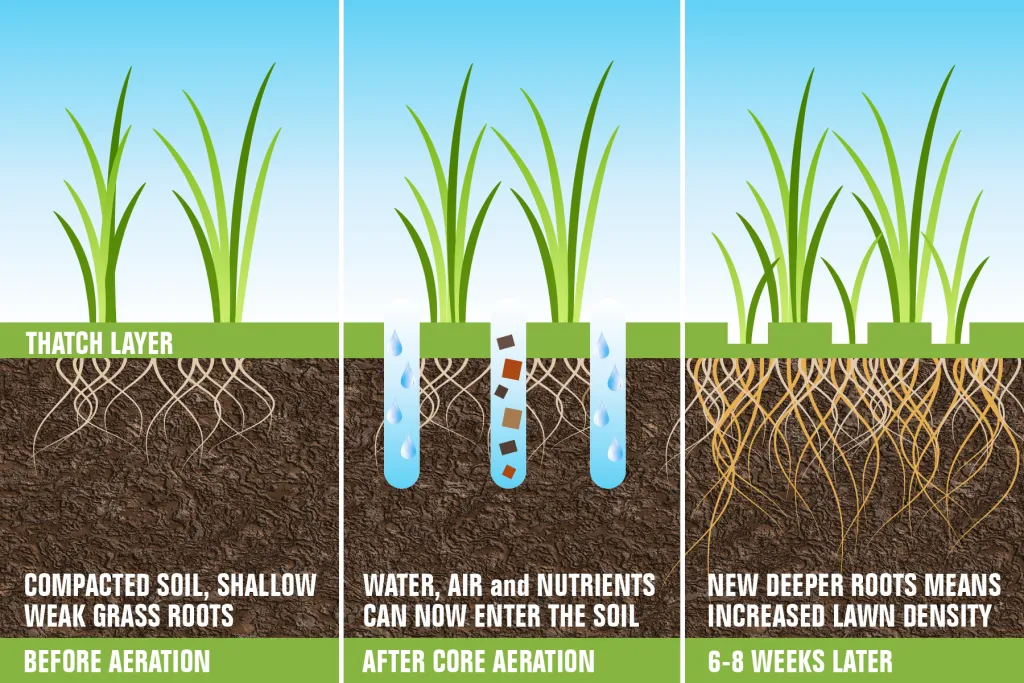
Core aeration removes small plugs from established turf; those plugs remain visible temporarily and break down over time.
From Estimate to Aftercare
Maryland Fall Timing
University of Maryland Extension generally identifies mid-August through mid-October as the preferred period for lawn renovation and overseeding. Estimates are open now so Arnold homeowners can review their lawns and plan the requested work without assuming a date before property and weather conditions are considered.
Continue Planning
Compare the countywide service, review other Arnold lawn needs, or explore neighboring communities before requesting your estimate.
Request an Aeration EstimateCommon Questions
University of Maryland Extension generally identifies mid-August through mid-October as the preferred period for lawn renovation and overseeding. Actual timing should account for current weather, turf condition, seed choice, and the aftercare the lawn can receive.
Not necessarily. Aeration addresses compacted surface soil, while overseeding adds grass seed to an existing lawn. The condition of the turf, amount of thinning, sunlight, drainage, and maintenance goals should guide whether one or both belong in the scope.
Point out sprinkler heads, shallow utilities, pet fencing, drainage components, and other hidden obstacles. Also share gate widths, slopes, soft areas, recent lawn treatments, and any sections that should not be crossed.
Core aeration leaves small soil plugs that remain visible for a time, and newly seeded areas need consistent aftercare with limited avoidable traffic. Aeration also does not solve deep shade, standing water, erosion, or a lawn with very little viable turf.
Cost depends on lawn size, equipment access, slopes, current turf condition, and whether the requested scope includes core aeration, overseeding, or both. A property-specific estimate is the clearest way to define the work.
Fall 2026
Share your address, the sections that feel compacted or look thin, and any access, irrigation, shade, drainage, or recent treatment details.