
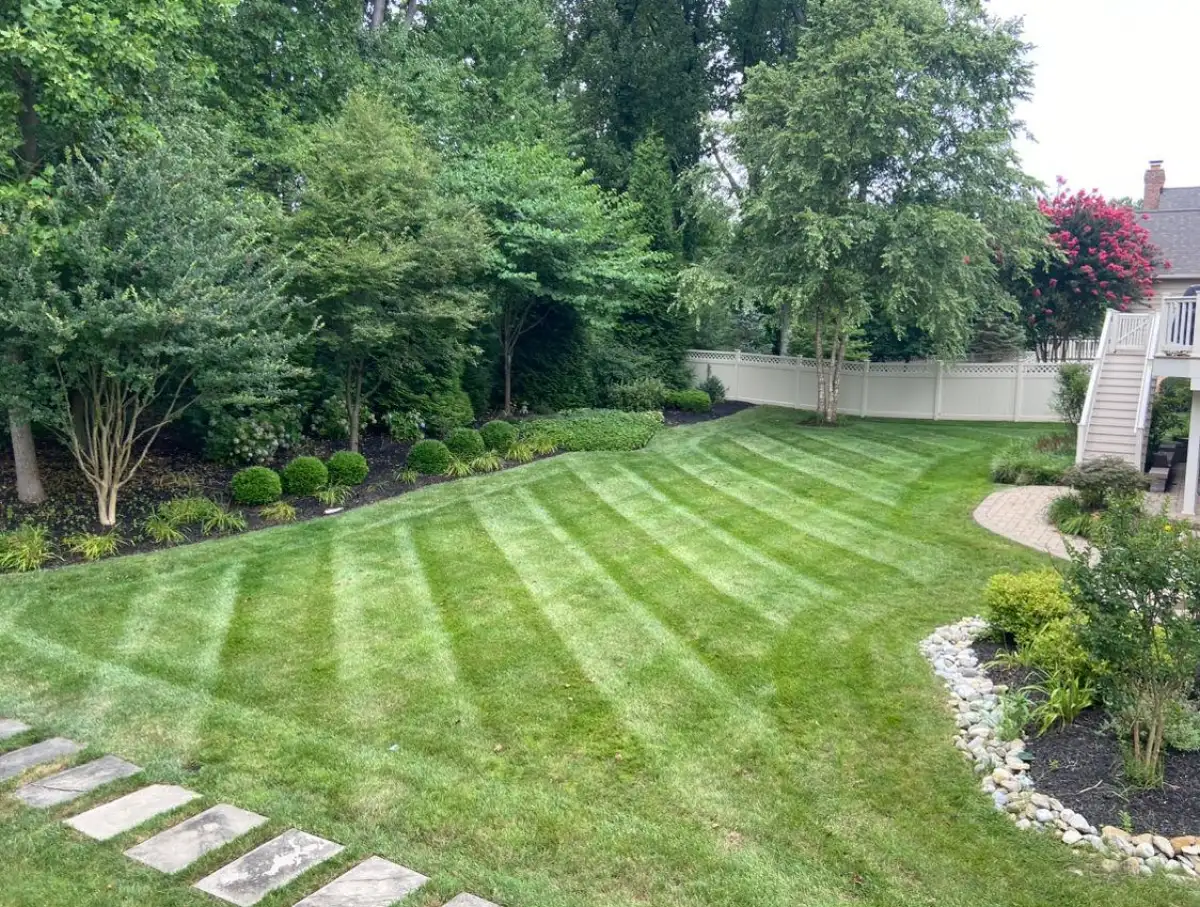
Aeration & Overseeding in Annapolis, MD
Core aeration relieves soil compaction and allows water, air, and nutrients to reach grass roots. Paired with overseeding, it is the most effective way to thicken your lawn and repair thin or bare areas.
What Core Aeration Does for Your Lawn
Core aeration uses a machine to pull small plugs (cores) of soil from your lawn, typically 2-3 inches deep and spaced 3-4 inches apart. These cores are left on the surface to break down naturally. The holes they leave behind are the key to the entire process.
Soil compaction is the hidden enemy of healthy lawns. Foot traffic, mowing equipment, and the natural settling of clay-heavy Maryland soils compress the ground over time. Compacted soil prevents water from draining properly, blocks air from reaching roots, and creates a barrier that limits root growth depth.
Aeration breaks through this compacted layer and delivers immediate benefits:
- Water penetrates deeper instead of running off the surface
- Oxygen reaches the root zone, promoting stronger root development
- Fertilizer and nutrients access the soil instead of sitting on the surface
- Thatch layer breaks down faster as microorganisms access more soil
- Root systems grow deeper, making turf more drought-resistant
For properties in Anne Arundel County with clay-heavy soils, annual aeration is not optional. It is essential for maintaining a healthy, resilient lawn.
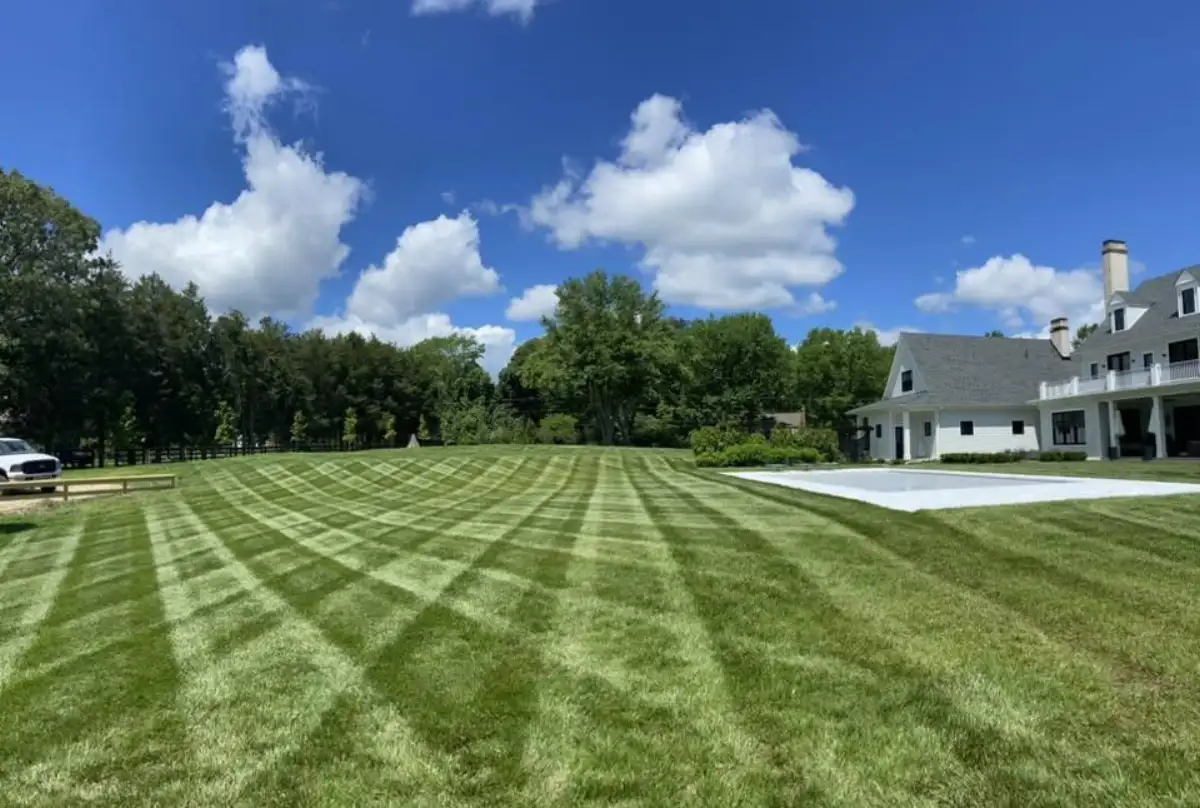
Why Overseeding Matters
Overseeding is the process of spreading grass seed over your existing lawn without tearing it up. When done immediately after aeration, the seed falls into the freshly created holes and makes direct contact with soil, dramatically improving germination rates.
Every lawn in the Annapolis area loses grass plants throughout the year to heat stress, disease, insect damage, foot traffic, and shade competition. Without regular overseeding, turf density declines by 10-15% per year. Thinner turf means more room for weeds, greater susceptibility to disease, and a less attractive appearance.
Overseeding after aeration provides these benefits:
- Fill bare and thin spots that developed during summer heat or winter dormancy
- Introduce improved grass varieties that are more disease-resistant and drought-tolerant than older cultivars
- Increase turf density to crowd out weeds naturally, reducing the need for herbicides
- Improve color and uniformity across your entire lawn
- Build a more resilient turf with genetic diversity from multiple grass varieties
We use premium tall fescue blends selected for performance in Maryland's Zone 7a climate. These varieties are bred for heat tolerance, disease resistance, and shade adaptation, which are the three biggest challenges for lawns in our area.
When to Aerate and Overseed in Maryland
Timing is the single most important factor in aeration and overseeding success.
Fall Is the Gold Standard: September to Mid-October
The ideal window for aeration and overseeding in the Annapolis area is September 1 through mid-October. During this period, soil temperatures are still warm enough for rapid germination (60-75 degrees), but air temperatures are cooling down, which reduces heat stress on new seedlings.
Fall also brings several natural advantages:
- Weed competition drops significantly as summer annuals die off
- Autumn rains provide natural irrigation for establishing seedlings
- Cool-season grass enters its peak growth period
- New grass has fall, winter, and spring to establish roots before summer heat
By mid-October, soil temperatures in Anne Arundel County begin dropping below the germination threshold, so scheduling earlier in fall always produces better results.
Spring Aeration: A Secondary Option
Spring aeration (March-April) is viable for relieving compaction, but spring overseeding has a lower success rate. New grass has limited time to establish before summer heat arrives, and spring pre-emergent herbicide applications (for crabgrass control) can prevent seed germination.
If spring is your only option, we can aerate without seeding and schedule overseeding for fall when conditions are optimal.
Maryland Aeration Calendar
| Month | Recommendation |
|---|---|
| March - April | Aeration only (no seed) |
| May - August | Too hot — not recommended |
| September | Peak window (aerate + overseed) |
| Early October | Good window (aerate + overseed) |
| Late October | Aeration only (soil too cool for seed) |
| November - February | Dormant — not recommended |
Sod vs. Seed: Which Is Right for You?
Both approaches have their place. Here is how they compare for Annapolis properties.
Overseeding (Seed)
- Cost: Lower overall investment
- Timeline: Visible results in 2-4 weeks; full establishment in 8-12 weeks
- Best for: Thickening existing lawn, filling thin areas, introducing improved varieties
- Limitations: Requires consistent watering during germination; cannot use pre-emergent herbicides for 6-8 weeks
- When to use: Annual maintenance, moderate bare spots, lawns that are 50%+ intact
Sod Installation
- Cost: 3-5x more expensive than seeding
- Timeline: Instant results; roots establish in 2-3 weeks
- Best for: Complete lawn replacement, new construction, erosion control, immediate curb appeal
- Limitations: Higher cost; limited grass variety selection; requires heavy watering during establishment
- When to use: Lawns with less than 50% viable grass, new landscapes, tight timelines
Not sure which option suits your property? We will advise during your free estimate based on your lawn's current condition and your goals.
How Long Until You See Results
Understanding the timeline helps set proper expectations after aeration and overseeding. Here is what to expect week by week:
Week 1-2: Aeration cores on the lawn surface begin breaking down. You may see them scattered across the lawn. This is normal and beneficial. Do not rake them up. The soil plugs decompose and return nutrients to the surface. Seed is germinating below the surface but not yet visible.
Week 2-3: New grass seedlings begin emerging as thin, light-green blades. They are fragile at this stage, so minimizing foot traffic is important. Keep the soil consistently moist with light, frequent watering (10-15 minutes, twice daily).
Week 4-6: New grass thickens visibly. You can begin to see the difference in turf density. Transition to deeper, less frequent watering to encourage root depth. First mowing can occur when new grass reaches 3-4 inches.
Week 8-12: Full establishment. The new grass has developed a root system strong enough to survive winter dormancy and will emerge thick and healthy the following spring. Results continue to improve through the next growing season as the new plants mature.
The full payoff of fall aeration and overseeding becomes most apparent the following spring, when your lawn greens up earlier, thicker, and more uniformly than untreated lawns in the neighborhood.
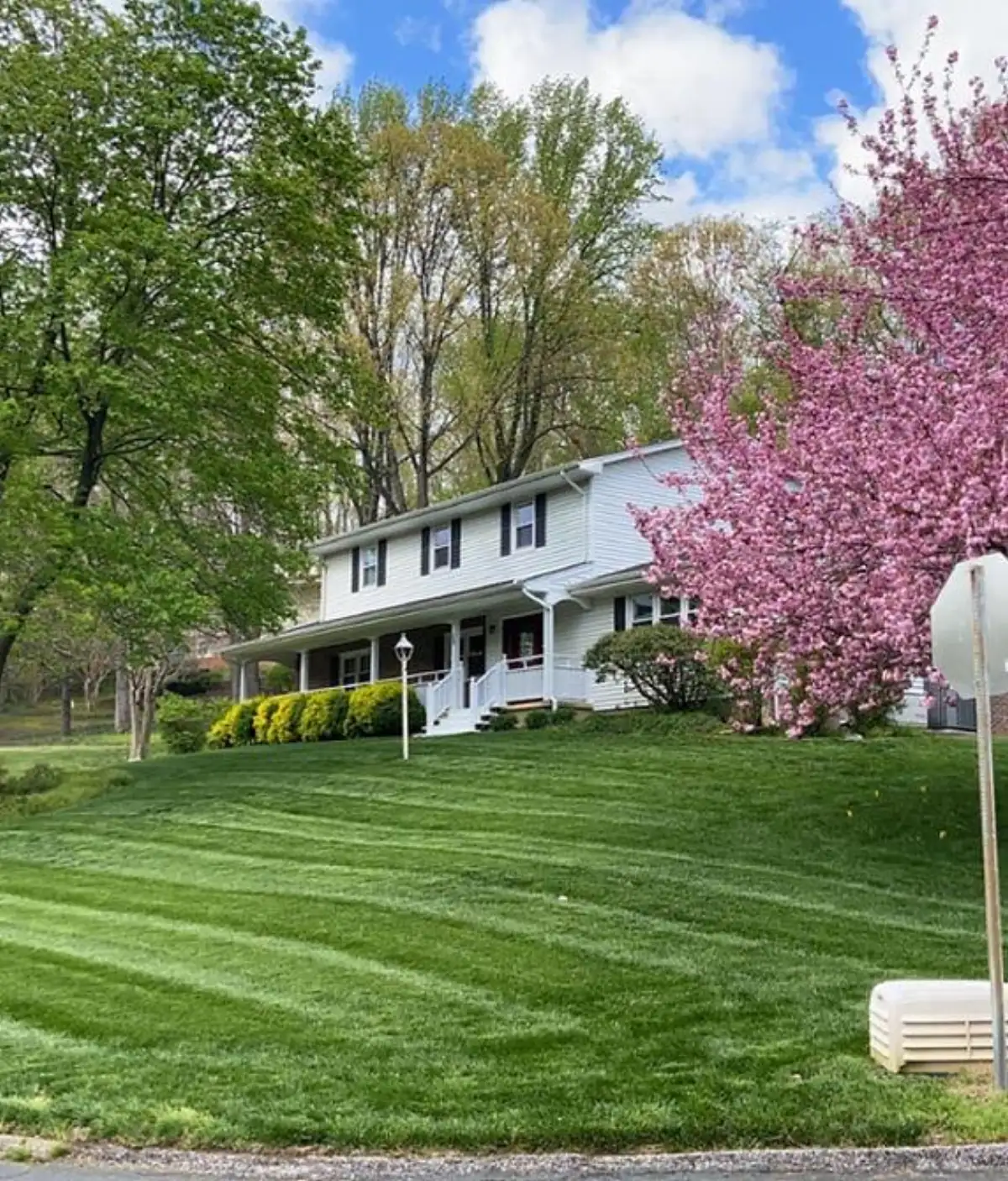
Aeration & Seeding Across Anne Arundel County
We provide aeration and overseeding services throughout Annapolis and surrounding communities.
Build a Complete Lawn Care Program
Aeration and seeding deliver the best results when paired with consistent lawn care throughout the season.
Lawn Maintenance
Weekly mowing, edging, and trimming keeps your newly seeded lawn healthy as it establishes.
Learn MoreSpring Cleanup
Clear debris and prepare your lawn for the growing season after winter dormancy ends.
Learn MoreFall Cleanup
Remove leaves after aeration to protect new seedlings and ensure full sunlight reaches your lawn.
Learn MoreAeration & Seeding Questions
For most lawns in the Annapolis area with clay-heavy soils, annual aeration is recommended. Properties with sandy soils closer to the Chesapeake Bay may only need aeration every 2-3 years. Heavy-traffic areas like play areas and pet runs benefit from aeration twice per year (spring and fall).
No. Leave the soil cores on the lawn. They break down within 1-2 weeks and return nutrients and beneficial microorganisms to the soil surface. This natural breakdown helps reduce thatch and improves soil structure. Running your mower over them speeds up the process if the appearance bothers you.
Minimize foot traffic for the first 3-4 weeks after overseeding to give seedlings the best chance to establish. Light, occasional foot traffic is fine, but avoid running, playing, or heavy equipment on newly seeded areas. After the first mow of new grass (typically week 4-6), normal use can resume.
Pricing depends on lawn size and the amount of seed needed. Most residential properties in the Annapolis area range from $150 to $400 for aeration and overseeding combined. Aeration-only service costs less. We provide free on-site estimates with exact pricing based on your property's square footage and condition.
Give Your Lawn the Boost It Needs
Schedule aeration and overseeding for a thicker, healthier lawn. Free estimates for properties in Annapolis and surrounding areas.