Maryland's climate presents a unique blend of challenges and opportunities for landscape design. Here in Anne Arundel County, we sit in USDA hardiness zones 7a to 7b, which means we experience genuine four-season weather: humid summers with temperatures regularly reaching the 90s, cold winters that can dip into the teens, and everything in between. The result is a climate where the right plant choices make the difference between a landscape that struggles and one that thrives.
After designing and installing landscapes across Annapolis, Severna Park, Arnold, and Cape St. Claire for over 20 years, Kevin Schofield has developed a deep understanding of what works in our local conditions. This guide shares the design principles, plant selections, and strategies that consistently deliver beautiful, low-maintenance results for Maryland homeowners.
Understanding Maryland's Climate Zones
Anne Arundel County primarily falls within USDA zone 7a, with some areas near the Chesapeake Bay qualifying as 7b due to the bay's moderating influence on temperatures. This means your average annual minimum winter temperature ranges from 0 to 10 degrees Fahrenheit.
But hardiness zone only tells part of the story. Our landscape designs also account for:
- Humidity: Maryland's summer humidity promotes fungal diseases and limits which plants can thrive without constant intervention
- Rainfall: We receive about 42 inches of rain annually, but distribution is uneven -- June through August can bring prolonged dry stretches
- Soil type: Most Anne Arundel County soils are clay-heavy, which affects drainage and root development
- Salt exposure: Properties near the Chesapeake Bay face salt spray and brackish groundwater, which many ornamental plants cannot tolerate
A well-designed Maryland landscape works with these conditions rather than against them. That starts with choosing the right plants.
Native Plants That Thrive in Anne Arundel County
Native plants are the foundation of a resilient, low-maintenance Maryland landscape. They have evolved over thousands of years to handle our specific soil, rainfall, temperature swings, and pest pressures. Once established, most native plants require minimal watering, no fertilization, and significantly less maintenance than non-native alternatives.
Trees
- Eastern Redbud (Cercis canadensis): One of the first trees to bloom in spring, producing clusters of pink-purple flowers along bare branches in March and April. Grows 20 to 30 feet tall, tolerates partial shade, and provides beautiful heart-shaped leaves that turn yellow in fall. An excellent specimen tree for front yards or as an understory accent beneath larger oaks.
- American Holly (Ilex opaca): An evergreen that provides year-round structure and winter interest with its bright red berries. Grows 15 to 30 feet tall and tolerates the clay soils common throughout Anne Arundel County. Female plants produce berries when a male pollinator is planted nearby.
- River Birch (Betula nigra): A fast-growing shade tree with attractive exfoliating bark. Particularly well-suited to properties with wet or poorly drained areas where other trees struggle. Grows 40 to 70 feet tall and is resistant to most local pests.
Shrubs
- Inkberry Holly (Ilex glabra): A compact evergreen shrub that serves as an excellent alternative to boxwood. Grows 3 to 8 feet tall, tolerates wet soils and partial shade, and provides clean, dark green foliage year-round. We use inkberry frequently in foundation plantings and privacy hedges.
- Winterberry (Ilex verticillata): A deciduous holly that produces stunning red berries on bare branches in winter, creating a dramatic focal point when most of the garden is dormant. Tolerates wet soils and partial shade.
- Virginia Sweetspire (Itea virginica): Fragrant white flower spikes in June, followed by brilliant red-purple fall foliage. Grows 3 to 5 feet tall and adapts to both wet and dry conditions, making it one of the most versatile native shrubs for our area.
Perennials and Grasses
- Black-eyed Susan (Rudbeckia hirta): Maryland's state flower produces cheerful yellow blooms from June through October. Thrives in full sun, tolerates drought once established, and attracts butterflies and pollinators. Naturalizes readily and fills in quickly.
- Virginia Bluebells (Mertensia virginica): Delicate blue bell-shaped flowers that emerge in early spring woodland gardens. They go dormant by summer, so plant them alongside ferns, hostas, or other shade perennials that will fill in the gaps.
- Switchgrass (Panicum virgatum): A native ornamental grass that provides movement, texture, and seasonal color. Varieties range from 3 to 6 feet tall. Turns golden-amber in fall and holds its structure through winter, providing visual interest and bird habitat year-round.
- Joe-Pye Weed (Eutrochium purpureum): Tall mauve-pink flower clusters in late summer attract butterflies -- especially monarchs and swallowtails. Grows 4 to 7 feet tall and thrives in moist conditions near the bay.
Drought-Tolerant Options for Maryland Landscapes
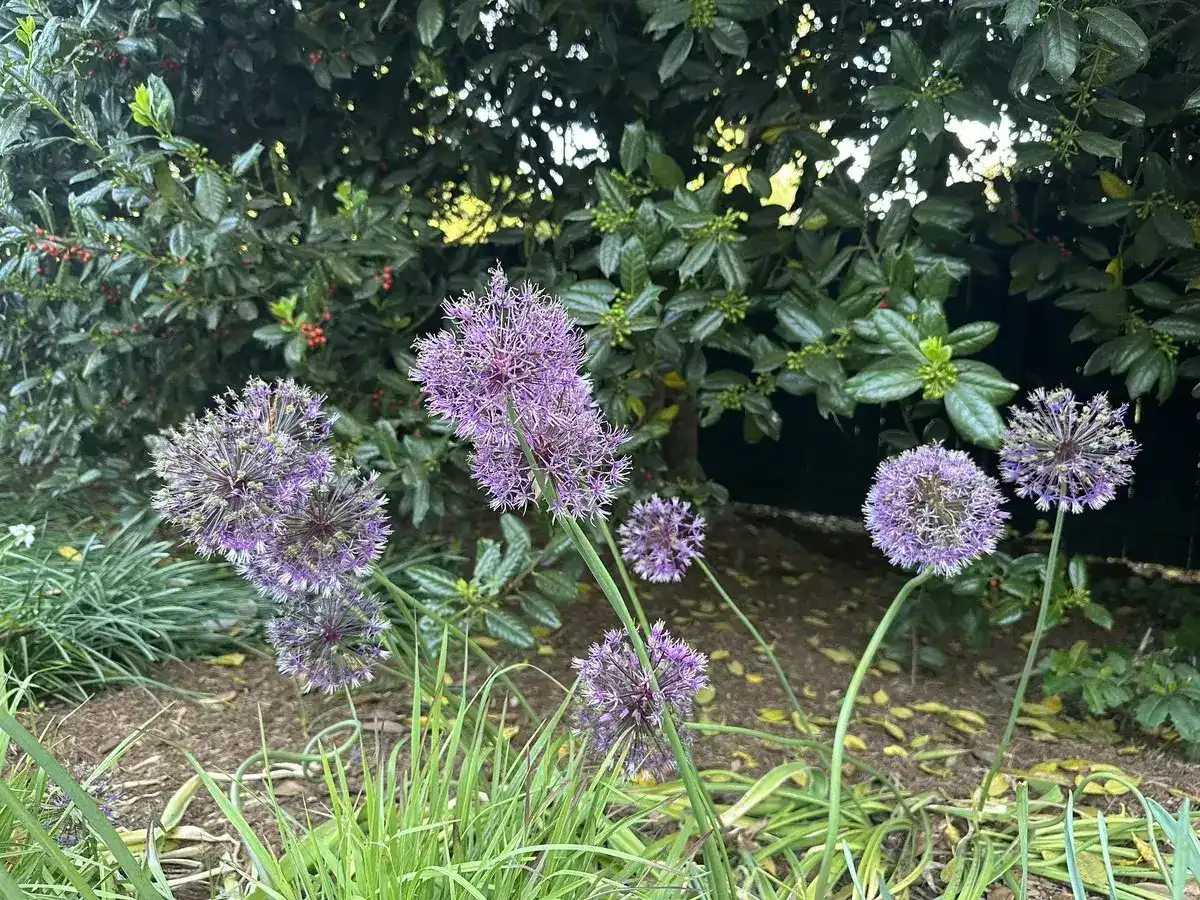
While Maryland receives adequate rainfall on average, July and August can bring extended dry periods where supplemental watering becomes necessary. Designing with drought-tolerant plants reduces water usage and maintenance without sacrificing visual appeal.
- Catmint (Nepeta): Produces lavender-blue flower spikes from late spring through fall. Extremely drought-tolerant once established, deer-resistant, and virtually maintenance-free. Cut back by one-third after the first bloom for a second flush of flowers.
- Sedum (Stonecrop): Succulent perennials that thrive in poor, dry soils and full sun. Varieties range from groundcovers to upright types reaching 18 inches. The variety "Autumn Joy" is particularly reliable in our climate, producing pink flower heads that age to copper-bronze.
- Liriope (Lilyturf): An evergreen groundcover that tolerates drought, shade, and poor soil conditions. Produces purple or white flower spikes in late summer. We use liriope extensively along walkways, under trees, and as bed edging throughout our Anne Arundel County projects.
- Dwarf Fountain Grass (Pennisetum alopecuroides "Hameln"): A compact ornamental grass with graceful arching foliage and fuzzy flower plumes in late summer. Grows 2 to 3 feet tall and handles heat, humidity, and dry spells with ease.
Chesapeake Bay-Friendly Landscaping
Living near the Chesapeake Bay comes with a responsibility to protect our local waterways. Stormwater runoff from residential properties carries fertilizers, pesticides, and sediment into streams and tributaries that feed the bay. A thoughtfully designed landscape can reduce this impact significantly.
Here are the Bay-friendly design principles we incorporate into our landscape projects:
- Rain gardens: Shallow depressions planted with native perennials and grasses that capture and filter stormwater runoff from roofs, driveways, and lawns. A properly sized rain garden can absorb 30 percent more water than a conventional lawn area.
- Reduced lawn area: Replacing portions of turf with native plant beds, groundcovers, or mulched areas reduces the need for watering, fertilizing, and mowing while improving habitat and stormwater absorption.
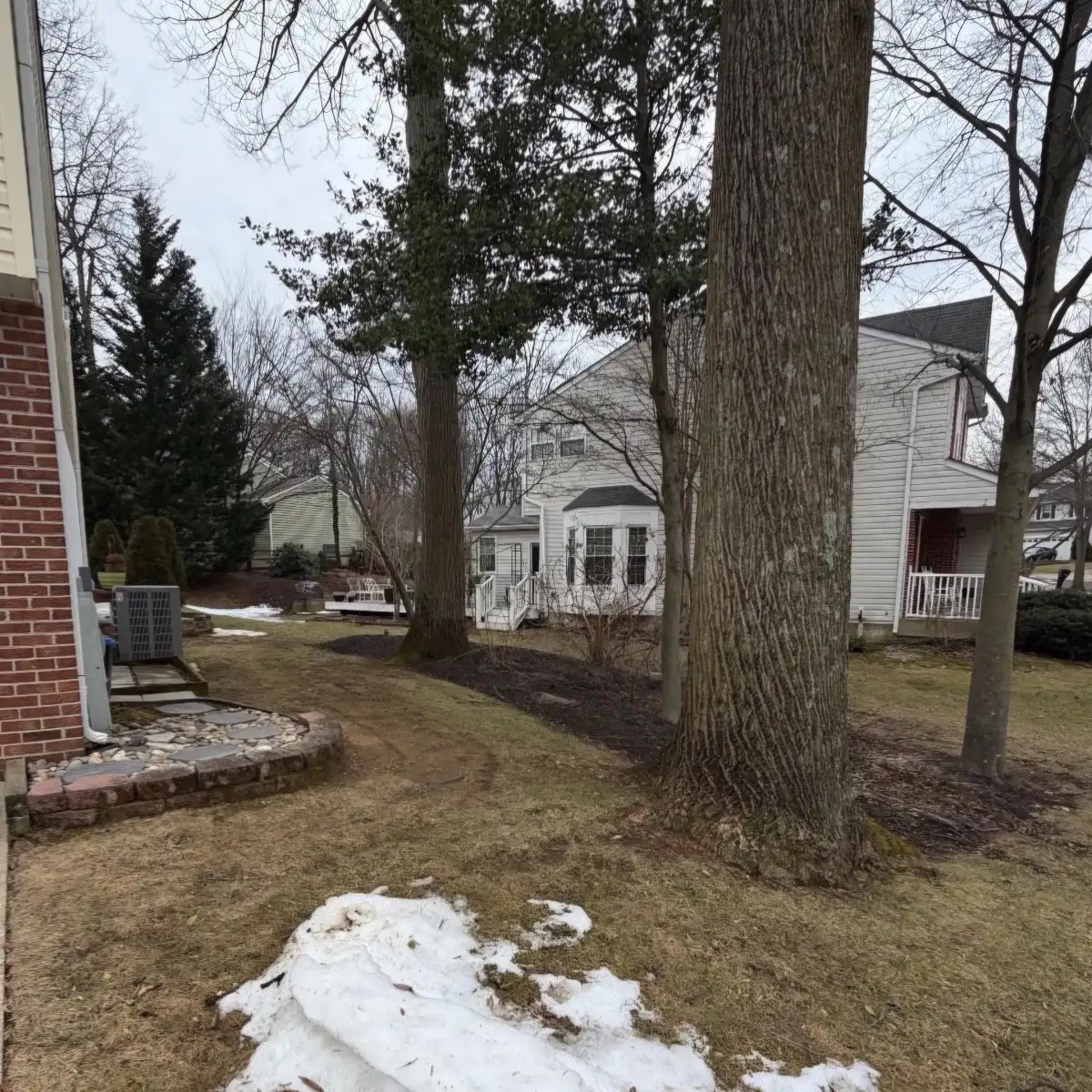
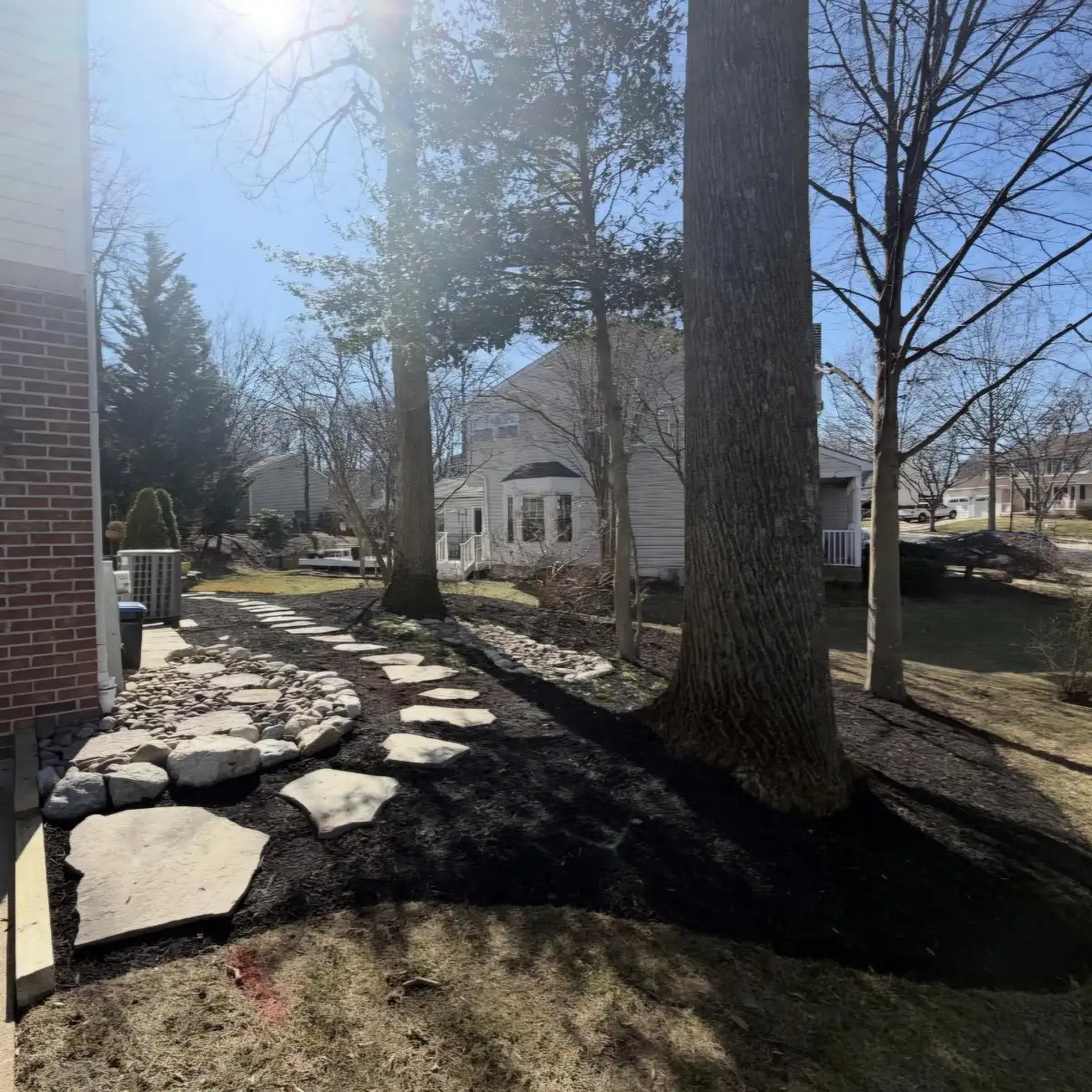
- Permeable surfaces: Using gravel, permeable pavers, or stepping stones instead of solid concrete for patios and walkways allows rainwater to soak into the ground rather than running off into storm drains.
- Buffer plantings: Dense plantings along property edges and near waterways filter runoff, reduce erosion, and provide wildlife habitat. Native shrubs like winterberry and Virginia sweetspire work exceptionally well in these applications.
Anne Arundel County offers resources and sometimes cost-sharing programs for homeowners who install rain gardens and Bay-friendly landscape features. Kevin can advise you on available programs during your free design consultation.
Low-Maintenance Design Principles
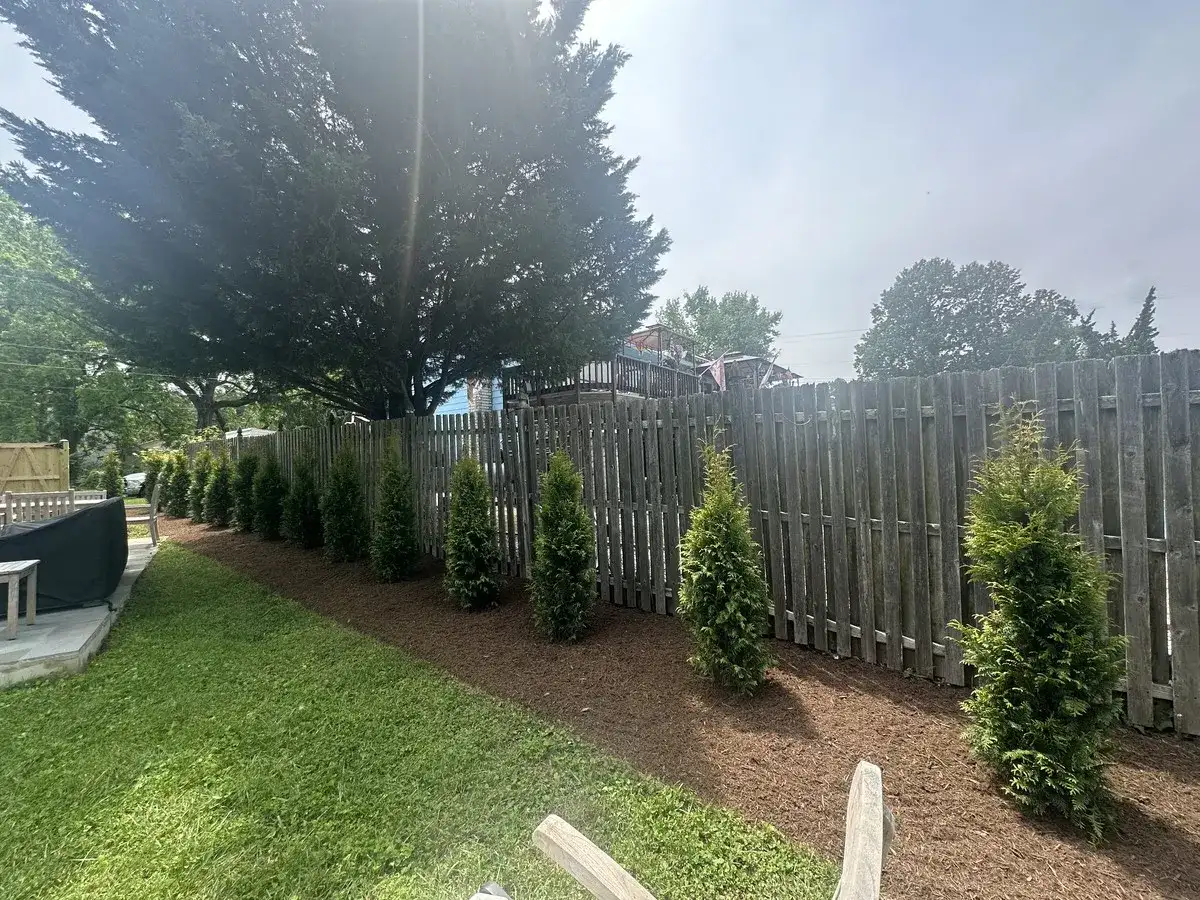
A landscape should enhance your life, not consume it. Here are the design principles we follow to create outdoor spaces that look beautiful year-round with minimal upkeep.
- Right plant, right place: Every plant is selected based on the specific conditions of its planting location -- sun exposure, soil drainage, wind exposure, and mature size. This eliminates the need for constant pruning, transplanting, and replacement.
- Layered planting: We design in layers -- tall trees in the back, mid-height shrubs in the middle, and low perennials and groundcovers in the front. This creates visual depth and ensures every bed looks full and intentional without overcrowding.
- Four-season interest: Every design includes plants that provide visual interest in each season: spring blooms, summer foliage, fall color, and winter structure (evergreens, berries, bark texture). Your yard should never look bare or forgotten.
- Mulch for maintenance reduction: A 2-to-3-inch layer of premium mulch suppresses weeds, retains moisture, and reduces the frequency of watering and weeding throughout the season.
- Group by water needs: Plants with similar water requirements are grouped together, which simplifies irrigation and prevents over- or under-watering individual plants.
Seasonal Color Planning for Year-Round Beauty
One of the most common requests we hear from Anne Arundel County homeowners is, "I want my yard to have color all year." Here is how we plan for that in our designs.
- Spring (March - May): Eastern Redbud, Virginia Bluebells, daffodils, azaleas, dogwood
- Summer (June - August): Black-eyed Susan, daylilies, coneflower, catmint, Joe-Pye weed, hydrangea
- Fall (September - November): Switchgrass (golden), Virginia Sweetspire (red foliage), sedum (copper), aster, chrysanthemum
- Winter (December - February): Winterberry (red berries), American Holly (evergreen + berries), ornamental grasses (dried texture), River Birch (bark)
By thoughtfully selecting plants from each season, your landscape will always have something beautiful to look at, regardless of the time of year.
Start Your Landscape Design Project
Every landscape design project at Schofield Outdoors begins with a free, no-obligation on-site consultation. Kevin will walk your property with you, listen to your goals, assess the existing conditions, and outline a plan that fits your vision and budget. Every project includes a complimentary 3D rendering so you can see exactly how your new landscape will look before we begin.
Whether you want to add curb appeal with a new foundation planting, create a private backyard retreat, or redesign your entire property with Bay-friendly native plants, we are here to help.
Call us at (410) 656-3182 or request your free consultation online. We look forward to transforming your outdoor space.